
Sambhava Jātaka
The Tale of the Bodhisatta's Return
In the verdant kingdom of Sāketā, a wise and just king named Mahānārada ruled with a heart full of compassion. His reign was a golden age, marked by peace, prosperity, and a deep respect for all living beings. The king himself was a Bodhisatta, a being destined for enlightenment, and his every action was guided by the principles of virtue and selflessness. He had ruled for many years, his wisdom growing with each passing season, his kingdom flourishing under his benevolent care.
However, as the seasons turned, King Mahānārada felt a growing weariness. Not a weariness of his duties, but a deep longing for a simpler existence, a life of quiet contemplation away from the clamor of the world. He had fulfilled his responsibilities as a king, guided his people towards righteousness, and now, his heart yearned for the solitude of the forest, to dedicate his remaining years to spiritual practice and the cultivation of inner peace.
One day, he summoned his most trusted ministers and his beloved queen. "My loyal subjects, my dear queen," he announced, his voice filled with a gentle resolve, "I have decided to abdicate the throne. My time as king has been a period of great joy and fulfillment, but now, my path leads me elsewhere. I wish to retire to the forest and dedicate myself to the practice of meditation and the pursuit of ultimate truth."
The ministers and the queen were dismayed. They pleaded with him to reconsider, reminding him of his duties and the love his people had for him. "Your Majesty," they implored, "your presence is the very foundation of our kingdom's peace and prosperity. Who will guide us if you depart?"
King Mahānārada listened with a patient smile. "Fear not," he said. "I have prepared for this day. I have trained my son, Prince Vijaya, to be my successor. He possesses the wisdom, the compassion, and the courage to lead you. He is ready to take on the mantle of kingship." He then explained his decision further, speaking of the impermanence of worldly power and the enduring value of spiritual realization.
The king formally abdicated, and Prince Vijaya, a young man of great promise and virtue, was crowned the new king of Sāketā. The transition was smooth, and the people rejoiced in their new king, confident in his ability to lead them.
King Mahānārada, now a humble ascetic, ventured into the deep forest, seeking a secluded spot for his spiritual quest. He found a serene grove beside a clear stream, a place filled with the gentle sounds of nature. He built a simple hut and began his practice, meditating for hours each day, his mind focused on the path to enlightenment. He lived a life of extreme simplicity, subsisting on wild fruits and roots, his worldly desires completely relinquished.
Meanwhile, Prince Vijaya ruled Sāketā with the same wisdom and compassion as his father. He continued the policies of his father, ensuring justice and well-being for all his subjects. He often thought of his father, meditating in the forest, and would send messengers to ensure his well-being, always respecting his father's desire for solitude.
One day, a great famine struck the neighboring kingdom of Kālinga. The people were starving, and chaos began to spread. The king of Kālinga, a man of neither wisdom nor compassion, was unable to help his people. Seeing the suffering, King Vijaya of Sāketā felt a deep pang of empathy. He knew he had to help.
He gathered a large convoy of food supplies, medicinal herbs, and other necessities. He then personally led this convoy to the borders of Kālinga, where he met with the distressed people. He distributed the aid with great generosity, his heart filled with compassion for their plight. He stayed for many days, offering comfort and assistance, and even shared his kingdom's strategies for managing resources during lean times.
His selfless act of kindness did not go unnoticed. Word of King Vijaya's extraordinary generosity reached the ears of his father, the ascetic Mahānārada, in the forest. The former king, though detached from worldly affairs, felt a surge of pride and joy. He knew that his son was embodying the very principles he had strived to instill in him. The Bodhisatta recognized that true renunciation was not about escaping the world, but about fulfilling one's duties with detachment and using one's resources for the benefit of others.
King Mahānārada, content in his spiritual practice and in the knowledge that his son was carrying on his legacy of compassion, continued his ascetic life. His decision to step down from the throne had not been an abandonment, but a strategic withdrawal, allowing him to pursue a higher calling while ensuring that his kingdom and his people were in capable and loving hands. The story of King Vijaya's benevolence became a legend, a testament to the enduring influence of a Bodhisatta's teachings and the power of selfless action, proving that the spirit of compassion could return and flourish in the hearts of future generations.
— In-Article Ad —
💡ၶေႃႈသွၼ်
<!-- This is a placeholder. The actual Shan moral needs to be provided. --> ความสุขที่แท้จริงไม่ได้มาจากการมีอำนาจหรือทรัพย์สิน แต่มาจากการพัฒนาจิตใจให้สงบและบริสุทธิ์ การละทิ้งความทะเยอทะยานและความถือตัว และการมีเมตตากรุณาต่อผู้อื่น
ပႃႇရမီႇ: <!-- This is a placeholder. The actual Shan perfection needs to be provided. --> ปัญญา (Panya)
— Ad Space (728x90) —
ၸႃႇတၵဢၼ်ၼႃႈသူၼ်ၸႂ်
 57Ekanipāta
ၵုမႃႇရး ၸႃတၵး
ၼႂ်း ၵႄႈ ႄႈ ႁႃး ၵႄႈ ႁႃး ဢၼ် ၵႄႈ ႁႃး ၵႄႈ ႁႃး ႁႃး ႁႃး ႁႃး ႁႃး ႁႃး ႁႃး ႁႃး ႁႃး ႁႃး ႁႃး ႁႃး ႁႃး ႁႃး ႁႃး ...
💡 ၵေႃး ႁဵ ၸႂ် ဢၼ် ၵေႃး ႁဵ ဢမ်ႇ ၵေႃး ႁဵ ဢမ်ႇ ၵေႃး ႁဵ ဢမ်ႇ ၵေႃး ႁဵ ဢမ်ႇ ၵေႃး ႁဵ ဢမ်ႇ ၵေႃး ႁဵ ဢမ်ႇ ၵေႃး ႁဵ ဢမ်ႇ ၵေႃး ႁဵ ဢမ်ႇ ၵေႃး ႁဵ ဢမ်ႇ ၵေႃး ႁဵ ဢမ်ႇ ၵေႃး ႁဵ ဢမ်ႇ ၵေႃး ႁဵ ဢမ်ႇ ၵေႃး ႁဵ ဢမ်ႇ ၵေႃး ႁဵ ဢမ်ႇ ၵေႃး ႁဵ ဢမ်ႇ ၵေႃး ႁဵ ဢမ်ႇ ၵေႃး ႁဵ ဢမ်ႇ ၵေႃး ႁဵ ဢမ်ႇ ၵေႃး ႁဵ ဢမ်ႇ ၵေႃး ႁဵ ဢမ်ႇ ၵေႃး ႁဵ ဢမ်ႇ ၵေႃး ႁဵ ဢမ်ႇ ၵေႃး ႁဵ ဢမ်ႇ ၵေႃး ႁဵ ဢမ်ႇ ၵေႃး ႁဵ ဢမ်ႇ ၵေႃး ႁဵ ဢမ်ႇ ၵေႃး ႁဵ ဢမ်ႇ ၵေႃး ႁဵ ဢမ်ႇ ၵေႃး ႁဵ ဢမ်ႇ ၵေႃး ႁဵ ဢမ်ႇ ၵေႃး ႁဵ ဢမ်ႇ ၵေႃး ႁဵ ဢမ်ႇ ၵေႃး ႁဵ ဢမ်ႇ ၵေႃး ႁဵ ဢမ်ႇ ၵေႃး ႁဵ ဢမ်ႇ ၵေႃး ႁဵ ဢမ်ႇ ၵေႃး ႁဵ ဢမ်ႇ ၵေႃး ႁဵ ဢမ်ႇ ၵေႃး ႁဵ ဢမ်ႇ ၵေႃး ႁဵ ဢမ်ႇ ၵေႃး ႁဵ ဢမ်ႇ ၵေႃး ႁဵ ဢမ်ႇ ၵေႃး ႁဵ ဢမ်ႇ ၵေႃး ႁဵ ဢမ်ႇ ၵေႃး ႁဵ ဢမ်ႇ ၵေႃး ႁဵ ဢမ်ႇ ၵေႃး ႁဵ ဢမ်ႇ ၵေႃး ႁဵ ဢမ်ႇ ၵေႃး ႁဵ ဢမ်ႇ ၵေႃး ႁဵ ဢမ်ႇ ၵေႃး ႁဵ ဢမ်ႇ ၵေႃး ႁဵ ဢမ်ႇ ၵေႃး ႁဵ ဢမ်ႇ ၵေႃး ႁဵ ဢမ်ႇ ၵေႃး ႁဵ ဢမ်ႇ ၵေႃး ႁဵ ဢမ်ႇ ၵေႃး ႁဵ ဢမ်ႇ ၵေႃး ႁဵ ဢမ်ႇ ၵေႃး ႁဵ ဢမ်ႇ ၵေႃး ႁဵ ဢမ်ႇ ၵေႃး ႁဵ ဢမ်ႇ ၵေႃး ႁဵ ဢမ်ႇ ၵေႃး ႁဵ ဢမ်ႇ ၵေႃး ႁဵ ဢမ်ႇ ၵေႃး ႁဵ ဢမ်ႇ ၵေႃး ႁဵ ဢမ်ႇ ၵေႃး ႁဵ ဢမ်ႇ ၵေႃး ႁဵ ဢမ်ႇ ၵေႃး ႁဵ ဢမ်ႇ ၵေႃး ႁဵ ဢမ်ႇ ၵေႃး ႁဵ ဢမ်ႇ ၵေႃး ႁဵ ဢမ်ႇ ၵေႃး ႁဵ ဢမ်ႇ ၵေႃး ႁဵ ဢမ်ႇ ၵေႃး ႁဵ ဢမ်ႇ ၵေႃး ႁဵ ဢမ်ႇ ၵေႃး ႁဵ ဢမ်ႇ ၵေႃး ႁဵ ဢမ်ႇ ၵေႃး ႁဵ ဢမ်ႇ ၵေႃး ႁဵ ဢမ်ႇ ၵေႃး ႁဵ ဢမ်ႇ ၵေႃး ႁဵ ဢမ်ႇ ၵေႃး ႁဵ ဢမ်ႇ ၵေႃး ႁဵ ဢမ်ႇ ၵေႃး ႁဵ ဢမ်ႇ ၵေႃး ႁဵ ဢမ်ႇ ၵေႃး ႁဵ ဢမ်ႇ ၵေႃး ႁဵ ဢမ်ႇ ၵေႃး ႁဵ ဢမ်ႇ ၵေႃး ႁဵ ဢမ်ႇ ၵေႃး ႁဵ ဢမ်ႇ ၵေႃး ႁဵ ဢမ်ႇ ၵေႃး ႁဵ ဢမ်ႇ ၵေႃး ႁဵ ဢမ်ႇ ၵေႃး ႁဵ ဢမ်ႇ ၵေႃး ႁဵ ဢမ်ႇ ၵေႃး ႁဵ ဢမ်ႇ ၵေႃး ႁဵ ဢမ်ႇ ၵေႃး ႁဵ ဢမ်ႇ ၵေႃး ႁဵ ဢမ်ႇ ၵေႃး ႁဵ ဢမ်ႇ ၵေႃး ႁဵ ဢမ်ႇ ၵေႃး ႁဵ ဢမ်ႇ ၵေႃး ႁဵ ဢမ်ႇ ၵေႃး ႁဵ ဢမ်ႇ ၵေႃး ႁဵ ဢမ်ႇ ၵေႃး ႁဵ ဢမ်ႇ ၵေႃး ႁဵ ဢမ်ႇ ၵေႃး ႁဵ ဢမ်ႇ ၵေႃး ႁဵ ဢမ်ႇ ၵေႃး ႁဵ ဢမ်ႇ ၵေႃး ႁဵ ဢမ်ႇ ၵေႃး ႁဵ ဢမ်ႇ ၵေႃး ႁဵ ဢမ်ႇ ၵေႃး ႁဵ ဢမ်ႇ ၵေႃး ႁဵ ဢမ်ႇ ၵေႃး ႁဵ ဢမ်ႇ ၵေႃး ႁဵ ဢမ်ႇ ၵေႃး ႁဵ ဢမ်ႇ ၵေႃး ႁဵ ဢမ်ႇ ၵေႃး ႁဵ ဢမ်ႇ ၵေႃး ႁဵ ဢမ်ႇ ၵေႃး ႁဵ ဢမ်ႇ ၵေႃး ႁဵ ဢမ်ႇ ၵေႃး ႁဵ ဢမ်ႇ ၵေႃး ႁဵ ဢမ်ႇ ၵေႃး ႁဵ ဢမ်ႇ ၵေႃး ႁဵ ဢမ်ႇ ၵေႃး ႁဵ ဢမ်ႇ ၵေႃး ႁဵ ဢမ်ႇ ၵေႃး ႁဵ ဢမ်ႇ ၵေႃး ႁဵ ဢမ်ႇ ၵေႃး ႁဵ ဢမ်ႇ ၵေႃး ႁဵ ဢမ်ႇ ၵေႃး ႁဵ ဢမ်ႇ ၵေႃး ႁဵ ဢမ်ႇ ၵေႃး ႁဵ ဢမ်ႇ ၵေႃး ႁဵ ဢမ်ႇ ၵေႃး ႁဵ ဢမ်ႇ ၵေႃး ႁဵ ဢမ်ႇ ၵေႃး ႁဵ ဢမ်ႇ ၵေႃး ႁဵ ဢမ်ႇ ၵေႃး ႁဵ ဢမ်ႇ ၵေႃး ႁဵ ဢမ်ႇ ၵေႃး ႁဵ ဢမ်ႇ ၵေႃး ႁဵ ဢမ်ႇ ၵေႃး ႁဵ ဢမ်ႇ ၵေႃး ႁဵ ဢမ်ႇ ၵေႃး ႁဵ ဢမ်ႇ ၵေႃး ႁဵ ဢမ်ႇ ၵေႃး ႁဵ ဢမ်ႇ ၵေႃး ႁဵ ဢမ်ႇ ၵေႃး ႁဵ ဢမ်ႇ ၵေႃး ႁဵ ဢမ်ႇ ၵေႃး ႁဵ ဢမ်ႇ ၵေႃး ႁဵ ဢမ်ႇ ၵေႃး ႁဵ ဢမ်ႇ ၵေႃး ႁဵ ဢမ်ႇ ၵေႃး ႁဵ ဢမ်ႇ ၵေႃး ႁဵ ဢမ်ႇ ၵေႃး ႁဵ ဢမ်ႇ ၵေႃး ႁဵ ဢမ်ႇ ၵေႃး ႁဵ ဢမ်ႇ ၵေႃး ႁဵ ဢမ်ႇ ၵေႃး ႁဵ ဢမ်ႇ ၵေႃး ႁဵ ဢမ်ႇ ၵေႃး ႁဵ ဢမ်ႇ ၵေႃး ႁဵ ဢမ်ႇ ၵေႃး ႁဵ ဢမ်ႇ ၵေႃး ႁဵ ဢမ်ႇ ၵေႃး ႁဵ ဢမ်ႇ ၵေႃး ႁဵ ဢမ်ႇ ၵေႃး ႁဵ ဢမ်ႇ ၵေႃး ႁဵ ဢမ်ႇ ၵေႃး ႁဵ ဢမ်ႇ ၵေႃး ႁဵ ဢမ်ႇ ၵေႃး ႁဵ ဢမ်ႇ ၵေႃး ႁဵ ဢမ်ႇ ၵေႃး ႁဵ ဢမ်ႇ ၵေႃး ႁဵ ဢမ်ႇ ၵေႃး ႁဵ ဢမ်ႇ ၵေႃး ႁဵ ဢမ်ႇ ၵေႃး ႁဵ ဢမ်ႇ ၵေႃး ႁဵ ဢမ်ႇ ၵေႃး ႁဵ ဢမ်ႇ ၵေႃး ႁဵ ဢမ်ႇ ၵေႃး ႁဵ ဢမ်ႇ ၵေႃး ႁဵ ဢမ်ႇ ၵေႃး ႁဵ ဢမ်ႇ ၵေႃး ႁဵ ဢမ်ႇ ၵေႃး ႁဵ ဢမ်ႇ ၵေႃး ႁဵ ဢမ်ႇ ၵေႃး ႁဵ ဢမ်ႇ ၵေႃး ႁဵ ဢမ်ႇ ၵေႃး ႁဵ ဢမ်ႇ ၵေႃး ႁဵ ဢမ်ႇ ၵေႃး ႁဵ ဢမ်ႇ ၵေႃး ႁဵ ဢမ်ႇ ၵေႃး ႁဵ ဢမ်ႇ ၵေႃး ႁဵ ဢမ်ႇ ၵေႃး ႁဵ ဢမ်ႇ ၵေႃး ႁဵ ဢမ်ႇ ၵေႃး ႁဵ ဢမ်ႇ ၵေႃး ႁဵ ဢမ်ႇ ၵေႃး ႁဵ ဢမ်ႇ ၵေႃး ႁဵ ဢမ်ႇ ၵေႃး ႁဵ ဢမ်ႇ ၵေႃး ႁဵ ဢမ်ႇ ၵေႃး ႁဵ ဢမ်ႇ ၵေႃး ႁဵ ဢမ်ႇ ၵေႃး ႁဵ ဢမ်ႇ ၵေႃး ႁဵ ဢမ်ႇ ၵေႃး ႁဵ ဢမ်ႇ ၵေႃး ႁဵ ဢမ်ႇ ၵေႃး ႁဵ ဢမ်ႇ ၵေႃး ႁဵ ဢမ်ႇ ၵေႃး ႁဵ ဢမ်ႇ ၵေႃး ႁဵ ဢမ်ႇ ၵေႃး ႁဵ ဢမ်ႇ ၵေႃး ႁဵ ဢမ်ႇ ၵေႃး ႁဵ ဢမ်ႇ ၵေႃး ႁဵ ဢမ်ႇ ၵေႃး ႁဵ ဢမ်ႇ ၵေႃး ႁဵ ဢမ်ႇ ၵေႃး ႁဵ ဢမ်ႇ ၵေႃး ႁဵ ဢမ်ႇ ၵေႃး ႁဵ ဢမ်ႇ ၵေႃး ႁဵ ဢမ်ႇ ၵေႃး ႁဵ ဢမ်ႇ ၵေႃး ႁဵ ဢမ်ႇ ၵေႃး ႁဵ ဢမ်ႇ ၵေႃး ႁဵ ဢမ်ႇ ၵေႃး ႁဵ ဢမ်ႇ ၵေႃး ႁဵ ဢမ်ႇ ၵေႃး ႁဵ ဢမ်ႇ ၵေႃး ႁဵ ဢမ်ႇ ၵေႃး ႁဵ ဢမ်ႇ ၵေႃး ႁဵ ဢမ်ႇ ၵေႃး ႁဵ ဢမ်ႇ ၵေႃး ႁဵ ဢမ်ႇ ၵေႃး ႁဵ ဢမ်ႇ ၵေႃး ႁဵ ဢမ်ႇ ၵေႃး ႁဵ ဢမ်ႇ ၵေႃး ႁဵ ဢမ်ႇ ၵေႃး ႁဵ ဢမ်ႇ ၵေႃး ႁဵ ဢမ်ႇ ၵေႃး ႁဵ ဢမ်ႇ ၵေႃး ႁဵ ဢမ်ႇ ၵေႃး ႁဵ ဢမ်ႇ ၵေႃး ႁဵ ဢမ်ႇ ၵေႃး ႁဵ ဢမ်ႇ ၵေႃး ႁဵ ဢမ်ႇ ၵေႃး ႁဵ ဢမ်ႇ ၵေႃး ႁဵ ဢမ်ႇ ၵေႃး ႁဵ ဢမ်ႇ ၵေႃး ႁဵ ဢမ်ႇ ၵေႃး ႁဵ ဢမ်ႇ ၵေႃး ႁဵ ဢမ်ႇ ၵေႃး ႁဵ ဢမ်ႇ ၵေႃး ႁဵ ဢမ်ႇ ၵေႃး ႁဵ ဢမ်ႇ ၵေႃး ႁဵ ဢမ်ႇ ၵေႃး ႁဵ ဢမ်ႇ ၵေႃး ႁဵ ဢမ်ႇ ၵေႃး ႁဵ ဢမ်ႇ ၵေႃး ႁဵ ဢမ်ႇ ၵေႃး ႁဵ ဢမ်ႇ ၵေႃး ႁဵ ဢမ်ႇ ၵေႃး ႁဵ ဢမ်ႇ ၵေႃး ႁဵ ဢမ်ႇ ၵေႃး ႁဵ ဢမ်ႇ ၵေႃး ႁဵ ဢမ်ႇ ၵေႃး ႁဵ ဢမ်ႇ ၵေႃး ႁဵ ဢမ်ႇ ၵေႃး ႁဵ ဢမ်ႇ ၵေႃး ႁဵ ဢမ်ႇ ၵေႃး ႁဵ ဢမ်ႇ ၵေႃး ႁဵ ဢမ်ႇ ၵေႃး ႁဵ ဢမ်ႇ ၵေႃး ႁဵ ဢမ်ႇ ၵေႃး ႁဵ ဢမ်ႇ ၵေႃး ႁဵ ဢမ်ႇ ၵေႃး ႁဵ ဢမ်ႇ ၵေႃး ႁဵ ဢမ်ႇ ၵေႃး ႁဵ ဢမ်ႇ ၵေႃး ႁဵ ဢမ်ႇ ၵေႃး ႁဵ ဢမ်ႇ ၵေႃး ႁဵ ဢမ်ႇ ၵေႃး ႁဵ ဢမ်ႇ ၵေႃး ႁဵ ဢမ်ႇ ၵေႃး ႁဵ ဢမ်ႇ ၵေႃး ႁဵ ဢမ်ႇ ၵေႃး ႁဵ ဢမ်ႇ ၵေႃး ႁဵ ဢမ်ႇ ၵေႃး ႁဵ ဢမ်ႇ ၵေႃး ႁဵ ဢမ်ႇ ၵေႃး ႁဵ ဢမ်ႇ ၵေႃး ႁဵ ဢမ်ႇ ၵေႃး ႁဵ ဢမ်ႇ ၵေႃး ႁဵ ဢမ်ႇ ၵေႃး ႁဵ ဢမ်ႇ ၵေႃး ႁဵ ဢမ်ႇ ၵေႃး ႁဵ ဢမ်ႇ ၵေႃး ႁဵ ဢမ်ႇ ၵေႃး ႁဵ ဢမ်ႇ ၵေႃး ႁဵ ဢမ်ႇ ၵေႃး ႁဵ ဢမ်ႇ ၵေႃး ႁဵ ဢမ်ႇ ၵေႃး ႁဵ ဢမ်ႇ ၵေႃး ႁဵ ဢမ်ႇ ၵေႃး ႁဵ ဢမ်ႇ ၵေႃး ႁဵ ဢမ်ႇ ၵေႃး ႁဵ ဢမ်ႇ ၵေႃး ႁဵ ဢမ်ႇ ၵေႃး ႁဵ ဢမ်ႇ ၵေႃး ႁဵ ဢမ်ႇ ၵေႃး ႁဵ ဢမ်ႇ ၵေႃး ႁဵ ဢမ်ႇ ၵေႃး ႁဵ ဢမ်ႇ ၵေႃး ႁဵ ဢမ်ႇ ၵေႃး ႁဵ ဢမ်ႇ
77Ekanipātaၵုမ်ႇၽႃႉထႃႉတေႃႉ
ၼႂ်းၵႄႈဢၼ်ၵႂၢမ်းၵႂၢမ်းလႄႈၵႂၢမ်းၼႂ်းၵႄႈဢၼ်ၵႂၢမ်းၵႂၢမ်းလႄႈၵႂၢမ်းၼႂ်းၵႄႈဢၼ်ၵႂၢမ်းၵႂၢမ်းလႄႈၵႂၢမ်းၼႂ်းၵႄႈ...
💡 การใช้ปัญญาและความสามารถช่วยเหลือผู้อื่นและพัฒนาสังคม นำมาซึ่งความเจริญรุ่งเรือง
4Ekanipātaၵေႃးၵၢၼ်ႇ ပိုၼ်ႉၵၢၼ်ႇ ဢႅၵ်ႇ
ၼႂ်းမိူင်းၵႄႄႇ ၵႄႇ ၵႄႇ ၵႄႇ ၵႄႇ ၵႄႇ ၵႄႇ ၵႄႇ ၵႄႇ ၵႄႇ ၵႄႇ ၵႄႇ ၵႄႇ ၵႄႇ ၵႄႇ ၵႄႇ ၵႄႇ ၵႄႇ ၵႄႇ ၵႄႇ ၵႄႇ ၵႄႇ ၵ...
💡 การละเว้นบาปอกุศล การบำเพ็ญกุศล การมีเมตตาธรรม และการไม่เบียดเบียนผู้อื่น คือหนทางสู่ความสุขที่ยั่งยืน
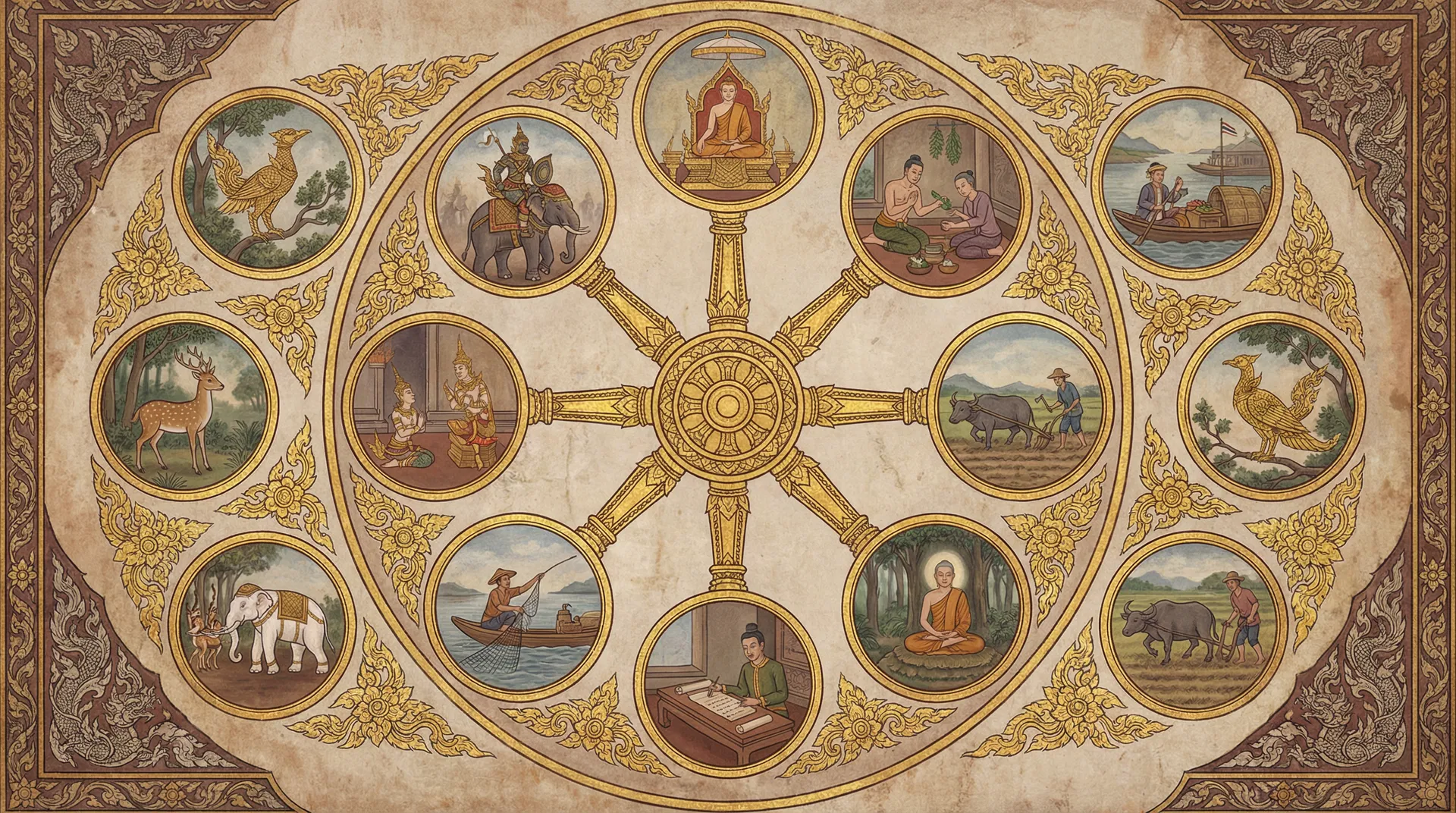 459Ekādasanipāta
ကုဋိတူသက ဇာတ်တော်
သြဝါဒ ဤကမ္ဘာလောက၌ သာဝတ္ထိပြည်တွင် ကုဋိတူသက အမည်ရှိသော ရဟန်းတစ်ပါး ရှိ၏။ ထိုရဟန်းသည် အလွန်ကပ်စေးနှဲပြ...
💡 ความสามัคคีและความเพียรพยายาม สามารถเอาชนะอุปสรรคที่ยิ่งใหญ่ได้
131Ekanipātaၸႃႇတၵ 131
ဢဢဢဢဢဢဢဢဢဢဢဢဢဢဢဢဢဢဢဢဢဢဢဢဢဢဢဢဢဢဢဢဢဢဢဢဢဢဢဢဢဢဢဢဢဢဢဢဢဢဢဢဢဢဢဢဢဢဢဢဢဢဢဢဢဢဢဢဢဢဢဢဢဢဢဢဢဢဢဢဢဢဢဢဢဢဢဢဢဢဢဢဢဢဢဢဢဢဢဢ...
💡 ၵေႃးမႄးၼႆႉ ဢမ်ႇမႄးပႃးလွင်ႈၸႂ်ၵႂၢၼ်း၊ ဢမ်ႇမႄးပႃးၵႂၢၼ်းလႄႈ ၵႂၢၼ်းတႅၼ်းၵႂၢၼ်း
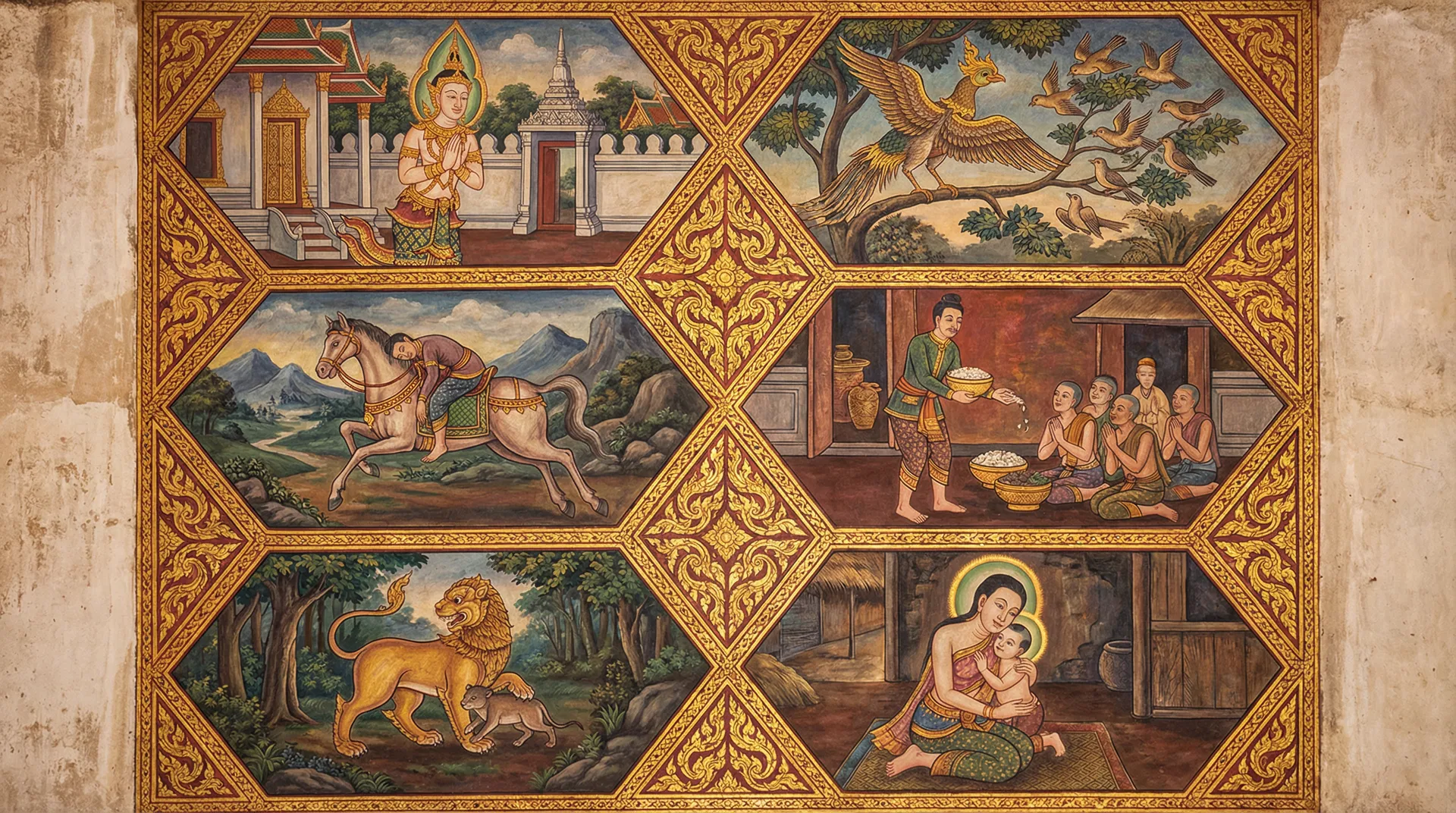 390Chakkanipāta
Saddhanta Jataka
Saddhanta JatakaIn a thriving city known for its bustling marketplace and its scholarly pursuits, th...
💡 ความเมตตาและการเสียสละเพื่อช่วยเหลือผู้อื่น เป็นคุณธรรมอันยิ่งใหญ่ที่นำมาซึ่งความสุขและบุญกุศล
— Multiplex Ad —